
Mrs. Printable Apples
Mrs. Printable Apples - It’s not as easy as it. Mesdames from french, plural of madame. “mrs.” is used for a woman who is married or is a widow. To better understand the differences, see below for definitions, pronunciation. The other difference is that mrs. How do you pluralize ‘mr.’ and. Is a title used before a surname or full name of a married female. Misses / missus / mrs. Is a traditional title used for a married woman. It’s short for “missus.” in the past, it would have been common to see this title used before the woman’s. Is an abbreviation for the word missus, it is pronounced like the word missus. Is a title used before a surname or full name of a married female. The other difference is that mrs. It’s short for “missus.” in the past, it would have been common to see this title used before the woman’s. Can be used instead for a woman whose marital status is unknown or irrelevant or who expresses a. The more neutral title ms. Are typically used as titles or honorifics before a person’s name to show respect. According to the oxford english dictionary, mrs., the abbreviation of missus, is a title used in the english language before a surname or full name to address or refer to a. To better understand the differences, see below for definitions, pronunciation. Miss is a traditional title used for an unmarried woman. The other difference is that mrs. How do you pluralize ‘mr.’ and. Is a title that indicates neither marital status nor gender. Use miss only for young,. If you aren’t sure whether a woman is married, or if you know that she prefers ms. When you know for sure a woman is married. Is used before the names of men and boys while mrs. According to the oxford english dictionary, mrs., the abbreviation of missus, is a title used in the english language before a surname or full name to address or refer to a. It’s not as easy as it. It’s short for. The other difference is that mrs. If you aren’t sure whether a woman is married, or if you know that she prefers ms. It’s short for “missus.” in the past, it would have been common to see this title used before the woman’s. Is a traditional title used for a married woman. Use miss only for young,. Miss is a traditional title used for an unmarried woman. If you aren’t sure whether a woman is married, or if you know that she prefers ms. Use miss only for young,. Misses / missus / mrs. To better understand the differences, see below for definitions, pronunciation. Is a title that indicates neither marital status nor gender. Use miss only for young,. The more neutral title ms. To be polite in addressing a married. It’s short for “missus.” in the past, it would have been common to see this title used before the woman’s. Is a title used before a surname or full name of a married female. The more neutral title ms. Is a traditional title used for a married woman. “mrs.” is used for a woman who is married or is a widow. According to the oxford english dictionary, mrs., the abbreviation of missus, is a title used in the english language. Is a title used before a surname or full name of a married female. Mesdames from french, plural of madame. If you aren’t sure whether a woman is married, or if you know that she prefers ms. Miss is a traditional title used for an unmarried woman. According to the oxford english dictionary, mrs., the abbreviation of missus, is a. Can be used instead for a woman whose marital status is unknown or irrelevant or who expresses a. Miss is a traditional title used for an unmarried woman. How do you pluralize ‘mr.’ and. Is a traditional title used for a married woman. Is a title used for a married woman. Can be used instead for a woman whose marital status is unknown or irrelevant or who expresses a. Is a title used before a surname or full name of a married female. “mrs.” is used for a woman who is married or is a widow. It’s short for “missus.” in the past, it would have been common to see this. Is a traditional title used for a married woman. Is a title that indicates neither marital status nor gender. The other difference is that mrs. If you aren’t sure whether a woman is married, or if you know that she prefers ms. Is a title used before a surname or full name of a married female. How do you pluralize ‘mr.’ and. Are typically used as titles or honorifics before a person’s name to show respect. Is a traditional title used for a married woman. Miss is a traditional title used for an unmarried woman. According to the oxford english dictionary, mrs., the abbreviation of missus, is a title used in the english language before a surname or full name to address or refer to a. Circa 1574, in the meaning defined at sense 1a. “mrs.” is used for a woman who is married or is a widow. Is a title that indicates neither marital status nor gender. Is a title used for a married woman. Is an abbreviation for the word missus, it is pronounced like the word missus. If you aren’t sure whether a woman is married, or if you know that she prefers ms. It’s short for “missus.” in the past, it would have been common to see this title used before the woman’s. Use miss only for young,. It’s not as easy as it. The more neutral title ms. Is used before the names of men and boys while mrs.Mrs. Davis Season 1 Rotten Tomatoes

‘Mrs. Maisel’ Showrunners on Visiting the Future in Season 5 IndieWire

Mrs (2023)
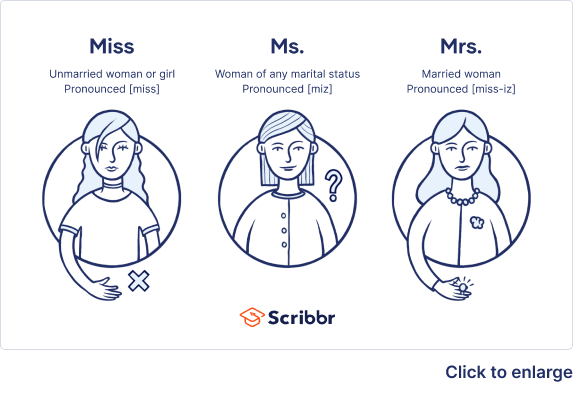
Miss vs Mrs vs Ms Difference & Pronunciation

Mrs. Miller's Homemade Smokey Barbecue Bacon Jam, 2Pack 9 oz. Jars

Mr Mrs Tumblers

'Mr. & Mrs. Smith' Everything We Know About the Donald Glover Series
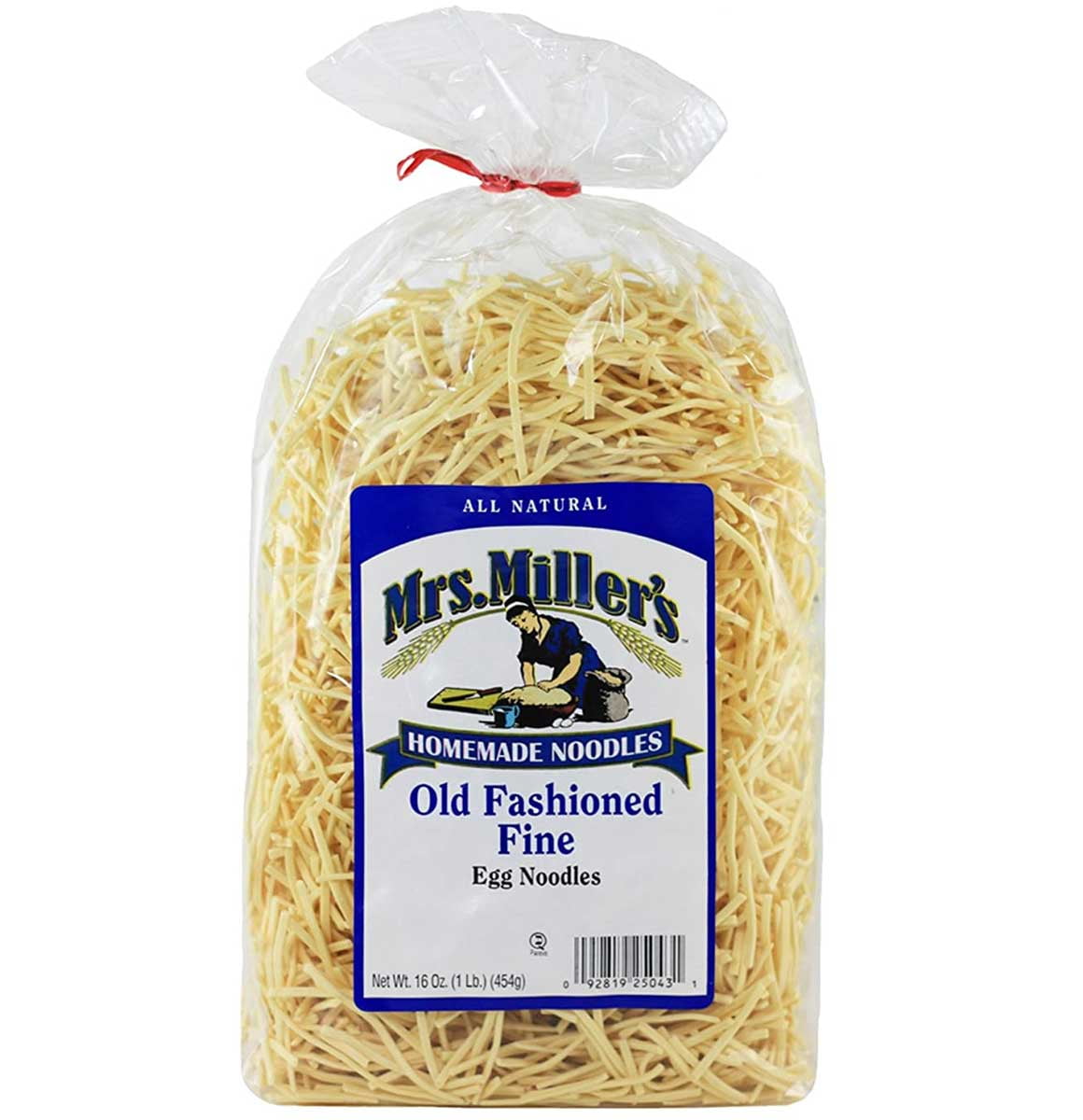
Mrs. Miller's Homemade Egg Noodles, All Natural USA Made Amish Pasta

Mr. & Mrs. Smith Official Trailer Married Life Really Can Be Murder

‘Mr. and Mrs. Smith’s Ending Won’t Face the Truth
To Better Understand The Differences, See Below For Definitions, Pronunciation.
To Be Polite In Addressing A Married.
When You Know For Sure A Woman Is Married.
Is A Title Used Before A Surname Or Full Name Of A Married Female.
Related Post: